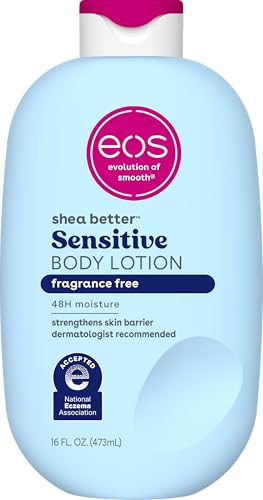
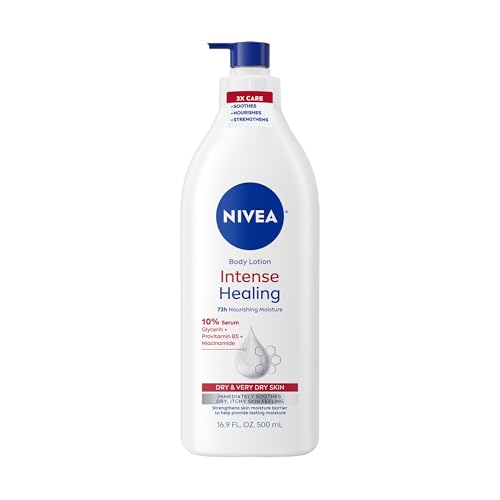
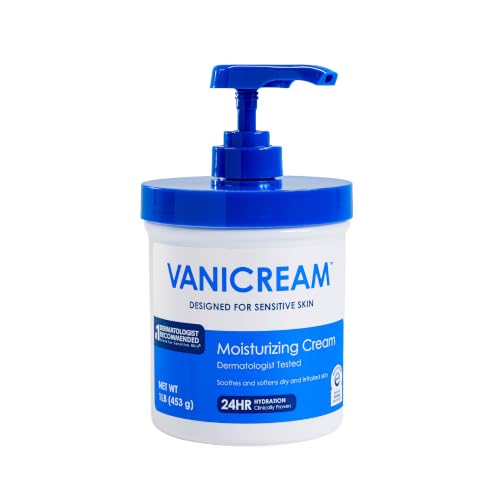
The Complete Guide to Body Lotion for Sensitive Skin
Discover how to soothe, protect, and hydrate easily irritated skin. From ingredients to avoid to dermatologist-recommended picks, everything you need to know before you buy.
Finding the right body lotion for sensitive skin can feel like a minefield. Redness, itching, and dryness are common reactions to harsh chemicals, artificial fragrances, and dyes. But the right moisturizer can transform your skin, restoring its natural barrier and providing lasting comfort. This guide breaks down the science of sensitive skin, highlights the most soothing ingredients, and helps you choose a product that truly works.
What Makes Skin Sensitive?
Sensitive skin is a condition, not a skin type. It occurs when the skin’s protective barrier is compromised, allowing irritants to penetrate more easily and trigger nerve endings. This can be caused by genetics, environmental factors, or overuse of harsh products.
- Compromised barrier: A weak lipid layer leads to moisture loss and irritation.
- Reactive nerve endings: Sensitive skin has a lower threshold for irritation.
- Environmental triggers: Cold weather, wind, and pollution can exacerbate sensitivity.
The right skin care products for sensitive skin can help repair this barrier and reduce reactivity.
Key Ingredients to Look For
When scanning labels for a body lotion for sensitive skin, prioritize these clinically proven, gentle ingredients.
Ceramides
Restore the skin barrier and lock in moisture.
Colloidal Oatmeal
Soften and calm irritated, itchy skin.
Shea Butter
Rich in fatty acids, deeply nourishes without clogging.
Aloe Vera
Known for its cooling, anti-inflammatory properties.
Panthenol (Pro-Vitamin B5)
Hydrates and promotes skin repair.
Squalane
A natural emollient that mimics skin’s own oils.
Ingredients to Avoid
🚫 Common Irritants for Sensitive Skin
- Fragrance (Parfum): One of the leading causes of allergic contact dermatitis. Look for "fragrance-free" rather than "unscented".
- Essential Oils: While natural, many (like lavender and citrus) can be irritating.
- Alcohol (SD Alcohol, Denatured Alcohol): Can strip the skin of natural oils.
- Harsh Surfactants: Such as sodium lauryl sulfate (SLS).
- Parabens & Phthalates: Potential endocrine disruptors that can also irritate skin.
- Dyes & Colorants: Added only for aesthetic purposes, unnecessary risk.
How to Choose the Right Formula
Not all body lotions are created equal. Consider these factors to find your perfect match:
- Fragrance-Free is Non-Negotiable: Always choose fragrance-free products to minimize the risk of irritation.
- Check the Packaging: Pump bottles or tubes are more hygienic than jars, preventing contamination.
- Hypoallergenic & Dermatologist-Tested: These claims indicate the product is designed to be gentle, though always patch-test first.
- Consider the Texture: For very dry, sensitive skin, a rich cream or balm may be more effective than a thin lotion. For combination skin, a lightweight lotion might be preferable.
For your face, you might also want to explore a dedicated moisturizer for dry sensitive skin or a good moisturizer for dry skin that is specially formulated for the face.
Application Tips for Best Results
👐 Apply to Damp Skin: The best time to apply body lotion is right after a shower or bath, while your skin is still slightly damp. This helps lock in hydration.
🔄 Pat, Don't Rub: Gently pat the lotion into your skin rather than rubbing vigorously, which can cause friction and irritation.
🧴 Don't Forget Dry Spots: Pay extra attention to elbows, knees, and heels, which tend to be the driest areas.
🌙 Nighttime Boost: For an intensive treatment, apply a thicker layer of lotion and wear cotton gloves or socks overnight.
Lifestyle Habits to Support Sensitive Skin
Your skincare routine is just one part of the equation. These habits can further calm and protect sensitive skin:
- Use lukewarm water: Hot water strips the skin of its natural oils.
- Choose gentle cleansers: Use a mild, fragrance-free body wash or a gentle cleanser for combination skin that won't disturb the skin barrier.
- Pat dry with a soft towel: Don't rub your skin dry; pat gently to leave some moisture on the surface.
- Wear soft fabrics: Cotton and silk are less irritating than wool or synthetic materials.
- Consider a humidifier: Adding moisture to the air, especially during winter, can prevent dry, itchy skin.
For a complete approach to skin health, you might also be interested in our guides on skin health diet and eco-friendly beauty choices.
Frequently Asked Questions
Can I use body lotion on my face if I have sensitive skin?
It's generally not recommended. Facial skin is more delicate and prone to clogged pores. Choose a product specifically formulated for the face, like a moisturizer for dry sensitive skin.
How often should I apply body lotion for sensitive skin?
At least once daily, ideally twice – morning and night. Apply immediately after bathing to lock in moisture.
What does "hypoallergenic" mean?
It means the product is less likely to cause allergic reactions, though it's not a guarantee. Always patch-test.
Are natural or organic body lotions better for sensitive skin?
Not necessarily. "Natural" ingredients can still be irritating. Look for formulations with minimal, soothing ingredients, regardless of the label. Many great vegan skincare and organic face cream options are also very gentle.
Ready to Find Your Perfect Match?
Explore our curated selection of top-rated, dermatologist-recommended body lotions for sensitive skin below. Each product has been carefully chosen for its gentle, effective formula.
Shop the Best Body Lotions ↓